Audio Engineering
Dante Networking
A practical look at how Dante connects audio equipment.
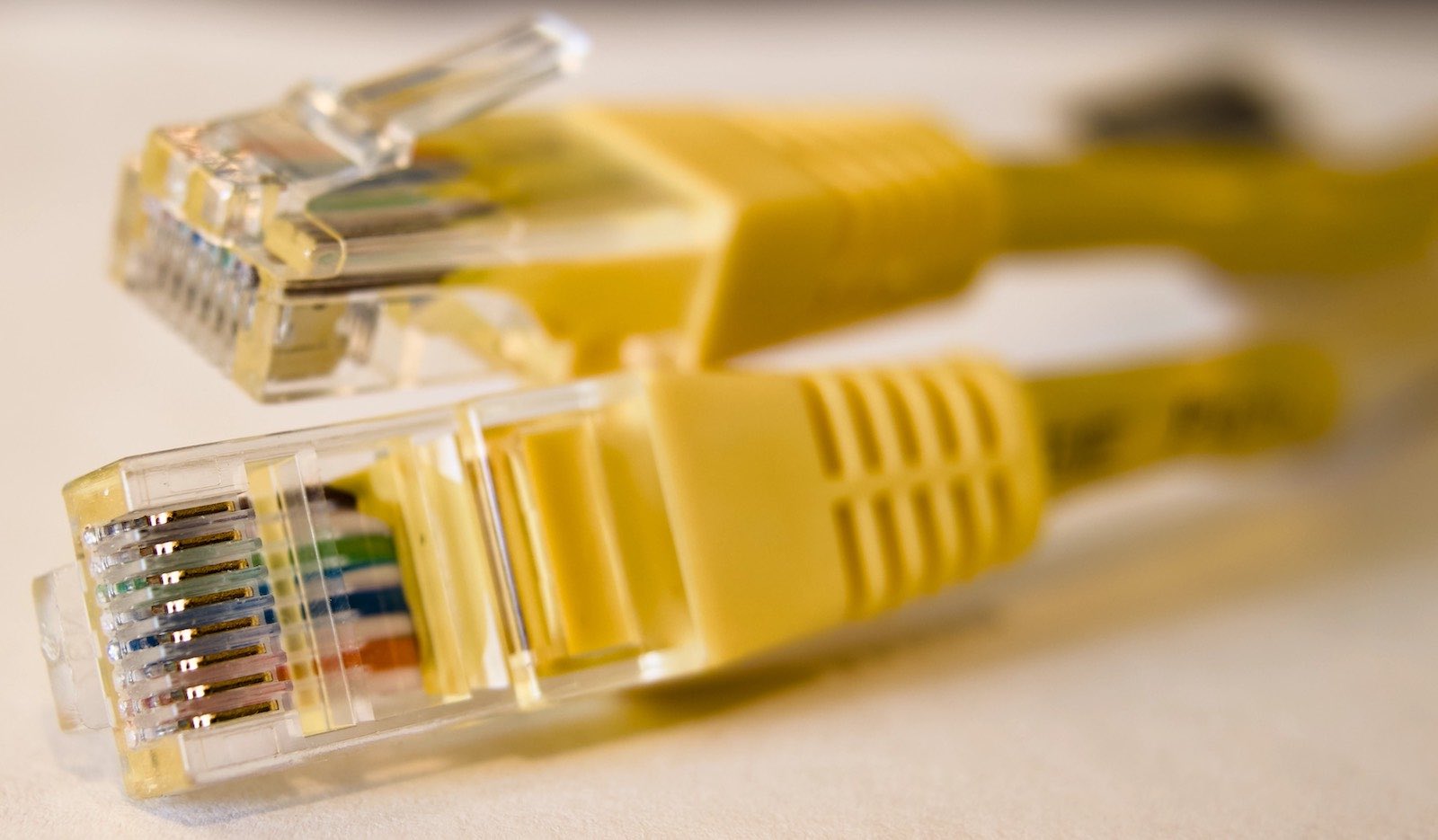
Dante is a network-based way of moving digital audio between different pieces of equipment.
In a traditional audio system, a signal might travel from a microphone to a console through a dedicated cable, then from the console to another piece of equipment through another dedicated connection. Dante allows audio to travel over a standard network using Ethernet connections.
This can be useful when a production has a number of different systems that need to communicate with each other. A Dante network can connect stage boxes, mixing consoles, computers, recording systems, amplifiers, and other compatible equipment.
Instead of thinking about each connection as an individual cable between two pieces of equipment, the network provides a common path for the audio to move between devices.
A qualified audio engineer will know how to wire the system, connect and configure the equipment, troubleshoot problems when they come up, and run cable in a clean and safe manner. When those pieces are handled properly, the system stays organized, the signal paths are clean, and communication between the different parts of the system is streamlined.
01
How it works
A Dante system uses compatible networked audio equipment and a network switch to move audio between devices. The equipment is configured so that the desired audio channels can be routed from one device to another.
For example, microphones connected to a Dante-enabled stage box can send audio through the network to a front-of-house console. That same network can also provide audio to a recording system, monitor system, or other compatible equipment.
The physical connection may look simple, but the system still needs to be properly configured. The network, devices, channel routing, and system settings all need to work together.
02
Why it matters
For larger productions, the ability to move many channels of audio over a network can simplify how different parts of the system are connected.
It can also make it easier to send the same audio system to different destinations without building a separate physical connection for every path.
For the person running an event, the challenge is simple: the audio still needs to get from the microphone to the speakers, recording system, or wherever else it needs to go. Dante is one way of making those connections.